
Travel Tips for Taiwan: 16 Actually Useful Things to Know
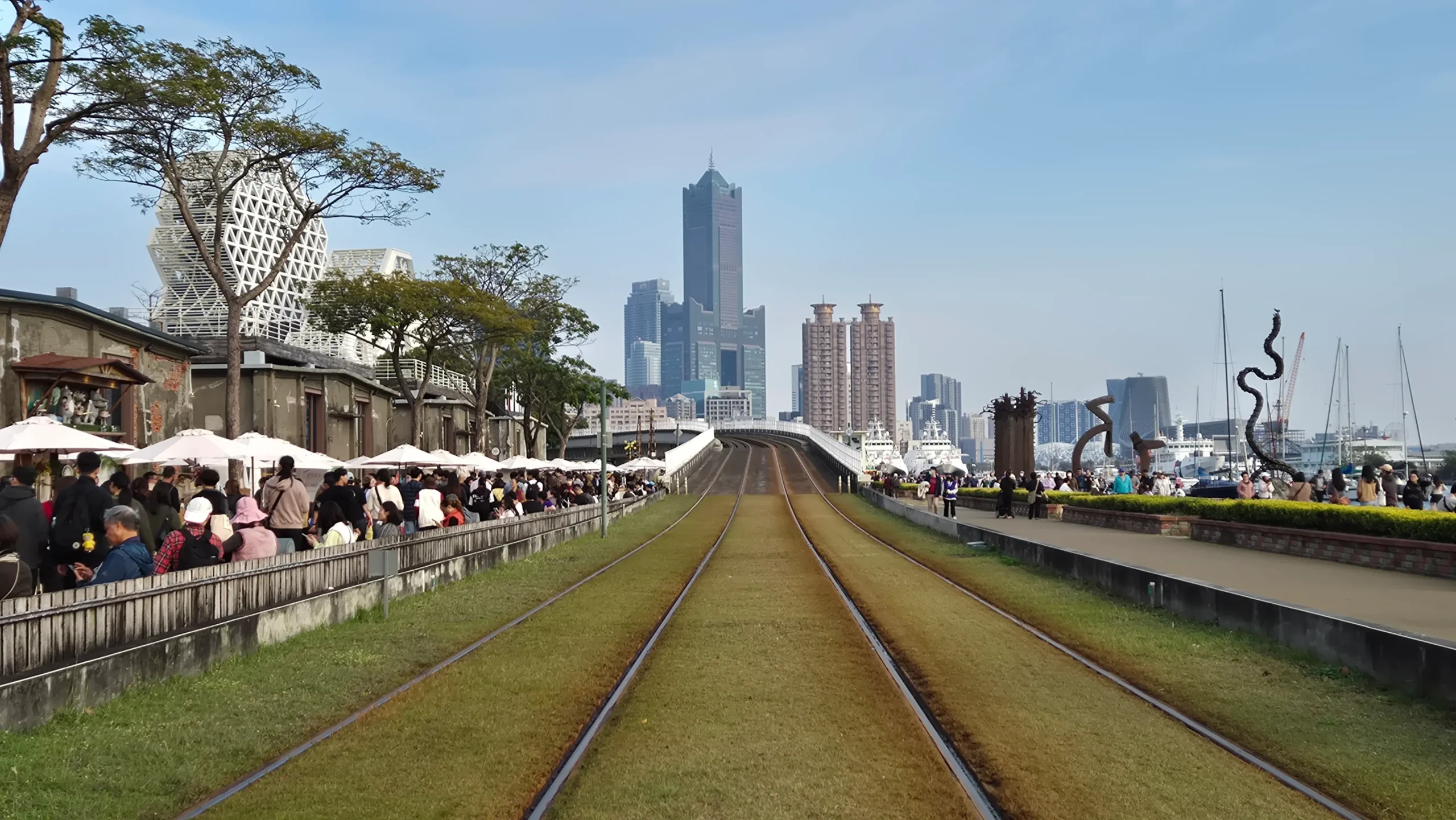
We will always have a soft spot for Taiwan. It’s the sort of place that leaves you saying, ‘I could totally live here’ after just a few hours wandering around Taipei. Then you get your first taste of a classic Taiwanese breakfast of crispy savoury youtiao doughnut and spring onion omelette sandwiched in a flaky sesame seed shaobing bun and dunked in a stunning mixture of soy sauce, chilli and garlic. And at that point, well, that’s when you’ll be googling long-stay visas and residency permits because you’ve officially found your new favourite country!
Yes, we’re speaking from experience. We’ve been back twice now, spending three months exploring this beautiful island, and honestly, we CANNOT get enough.
Taiwan is a foodie heaven, and it’s even great for vegetarians! People are friendly. The transport is easy and efficient. There are mountains and lakes and tropical beaches and bustling cities. And after us travelling all over the world to many different countries, Taiwan is where we have felt the safest.
Taiwan ticks all the boxes for curious travellers without being too intense a travel experience. So, if you fancy it (and we cannot recommend it enough!), take a read through these top travel tips for Taiwan to make your trip go a little more smoothly.
Disclaimer: This blog post may contain affiliate links, which means that if you click and purchase through a link, we may earn a small commission at no extra cost to you. And if you do choose to do this, THANK YOU so much for supporting us! It means that we can continue to create content for you guys. Full disclaimer here.
1. Taiwanese Breakfast Culture is ELITE
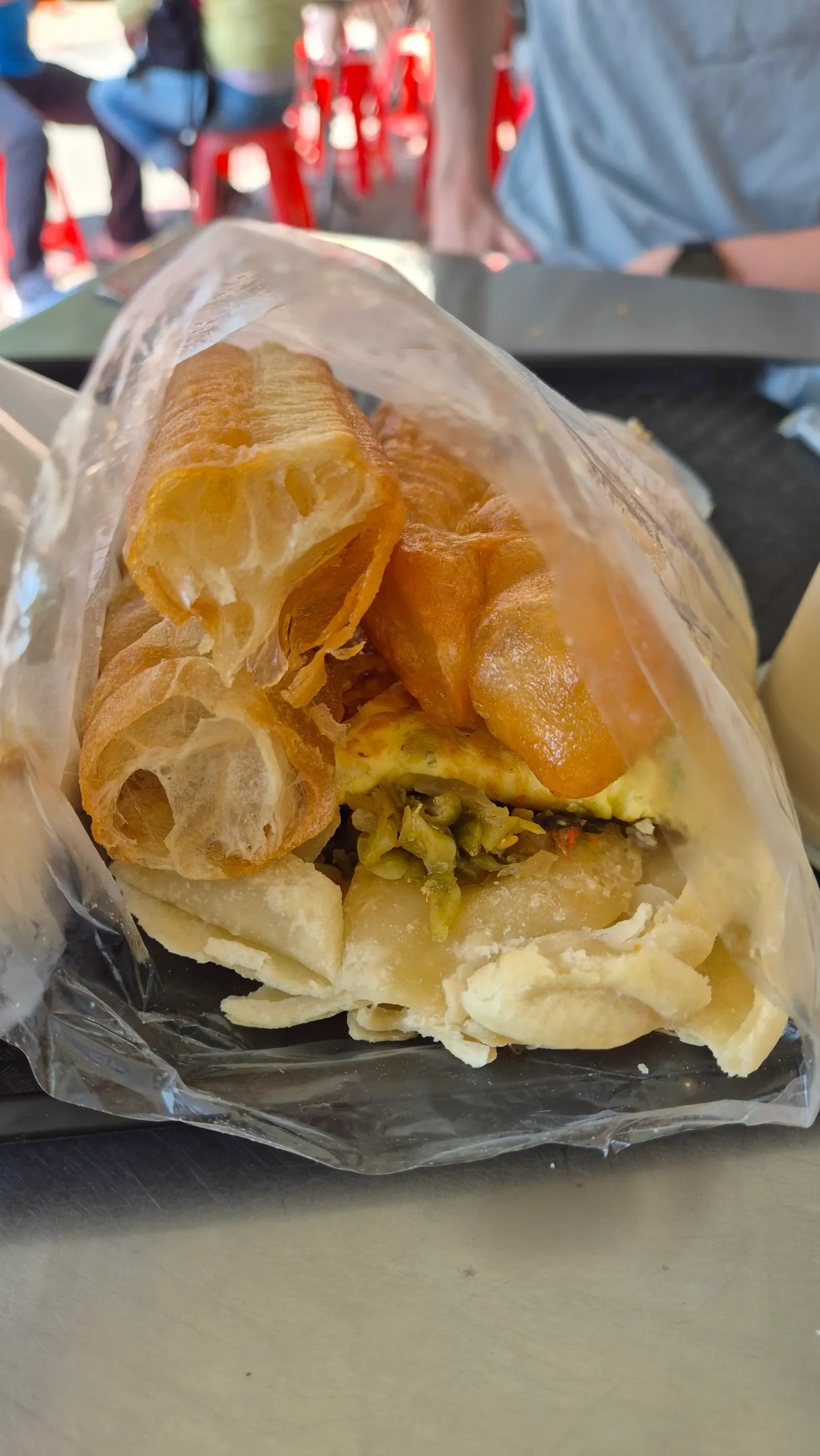
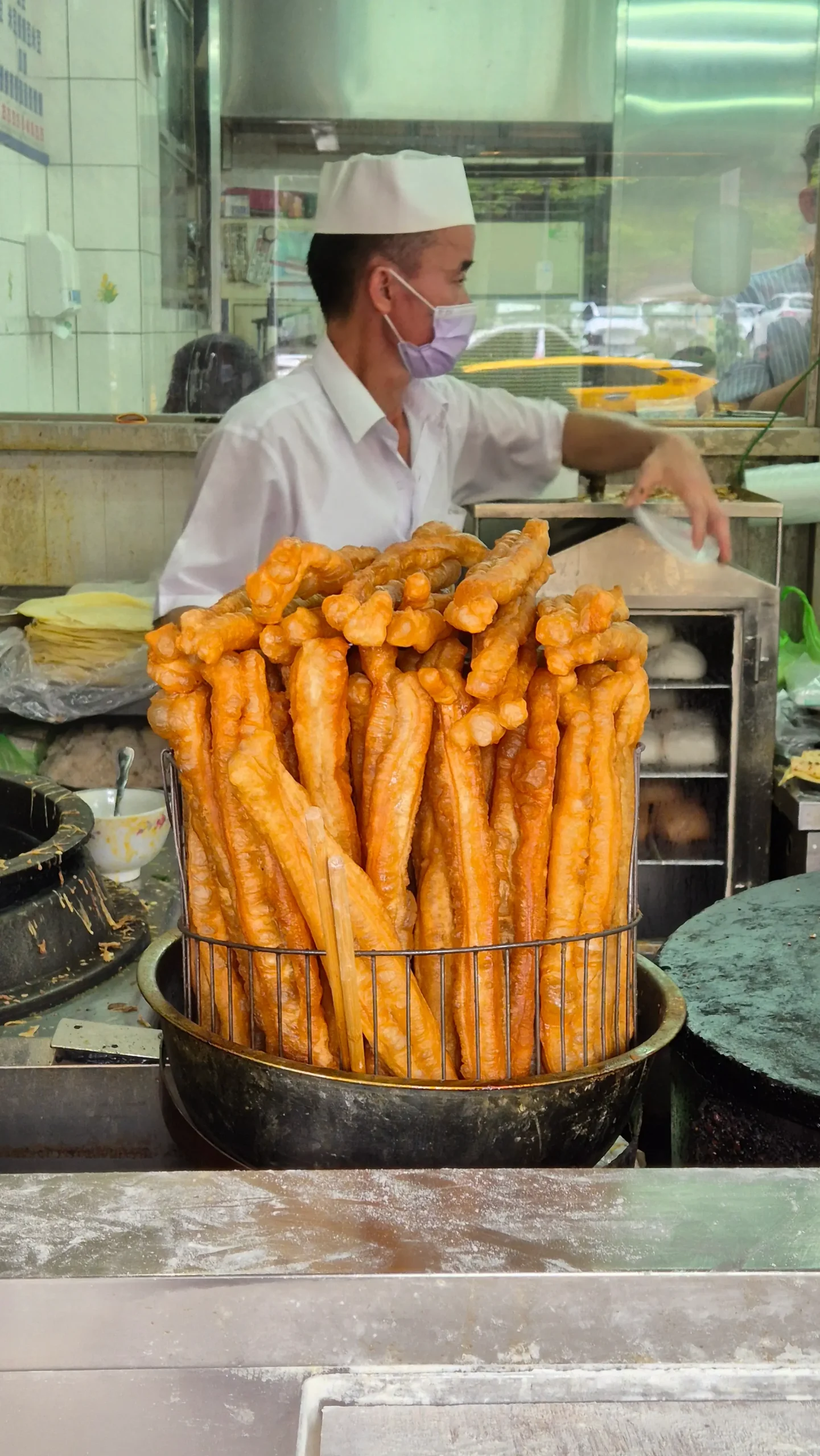
Ahhh, Taiwanese breakfast is some of the very very best in the world. It’s a serious business. Some breakfast places even open at, like, 2/3am and then close pretty early around 10/11am. You’ll likely have to queue for the good stuff, but I can vouch for it being absolutely worth it!
Shaobing buns stuffed with savoury doughnuts and omelette dunked in a spicy soy sauce. Steamed buns filled with mushrooms and cabbage. Dan bing omelettey thin pancakey type things stuffed with whatever you fancy. Crisp scallion pancakes with chilli sauce. Radish cake. Sweet or salty, hot or cold soy milk. Sticky rice dumplings. Oh, wow, this section is hard to write without dribbling everywhere. Jesus.
Do not, and I repeat do not miss out on a proper Taiwanese breakfast! It’s delicious, so unique, and a whole authentic cultural experience all wrapped into one.
Full Taiwanese breakfast post coming soon (of course, you know us!). In the meantime check out our vegetarian food post.
2. Get Yourself an EasyCard
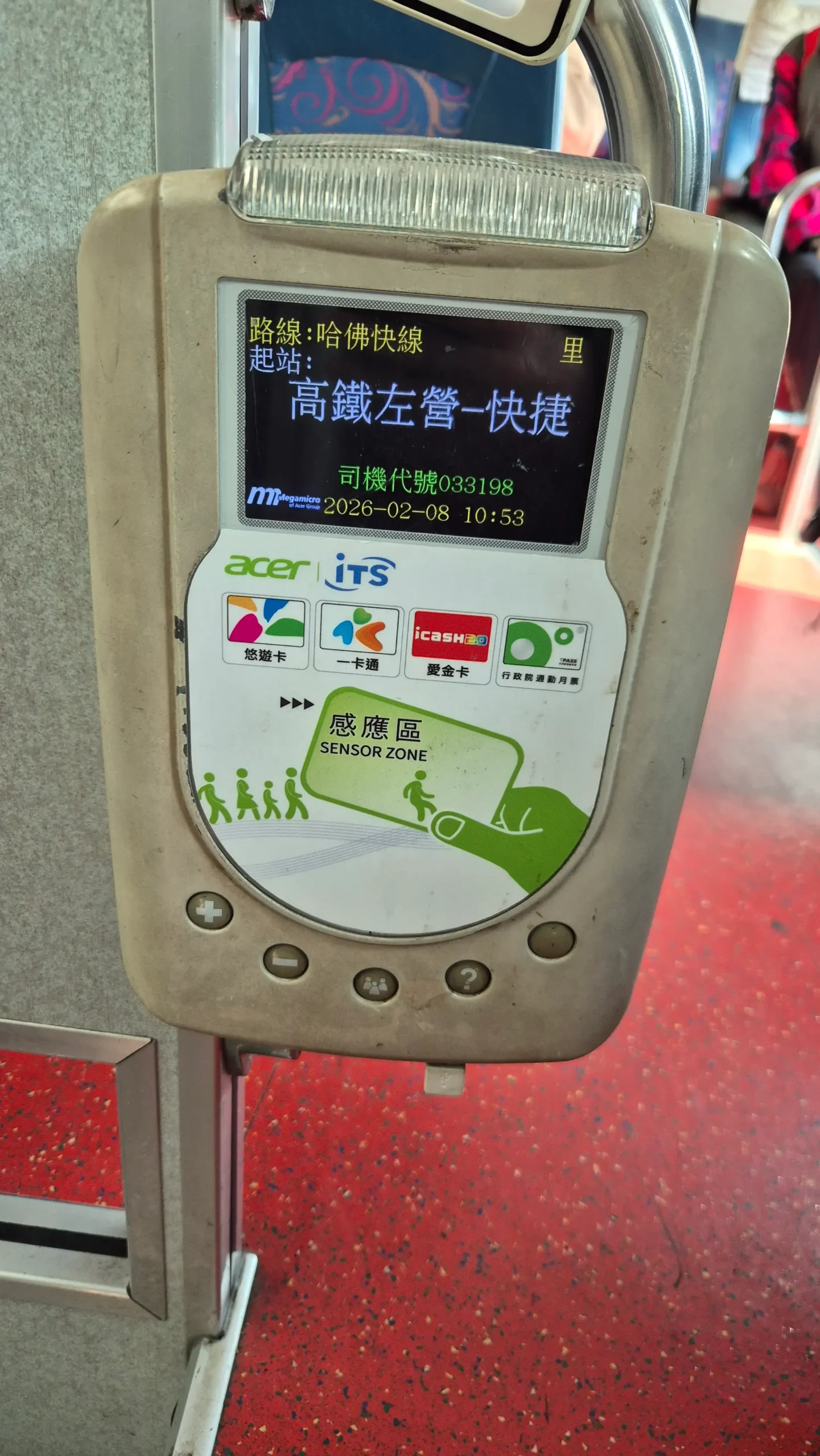
This is an essential! You can order an EasyCard through Klook and then pick it up at the airport. Also you can find them in local convenience stores in the cities, and you can get some really cute designs, so make sure you shop around!
Your EasyCard is a rechargeable card that will get you on to the metro, buses, trains, ferries, gondola all over Taiwan; and you can also use it pay in some shops – convenience stores, boba tea shops, etc.
Savvy Traveller Pro Tips 🇹🇼
After exploring Taiwan for three months, these are our favourite booking tools that we couldn’t travel without!
3. Cash or Card?
Even though Taipei is a modern city, there are some vendors that will not accept card payment. Make sure you grab yourself some cash and/or set up the LinePay app on your phone (which is an app you can set up if you have a local phone number). Some shops also accept payment with your EasyCard (rechargeable transport card).
4. Local Currency
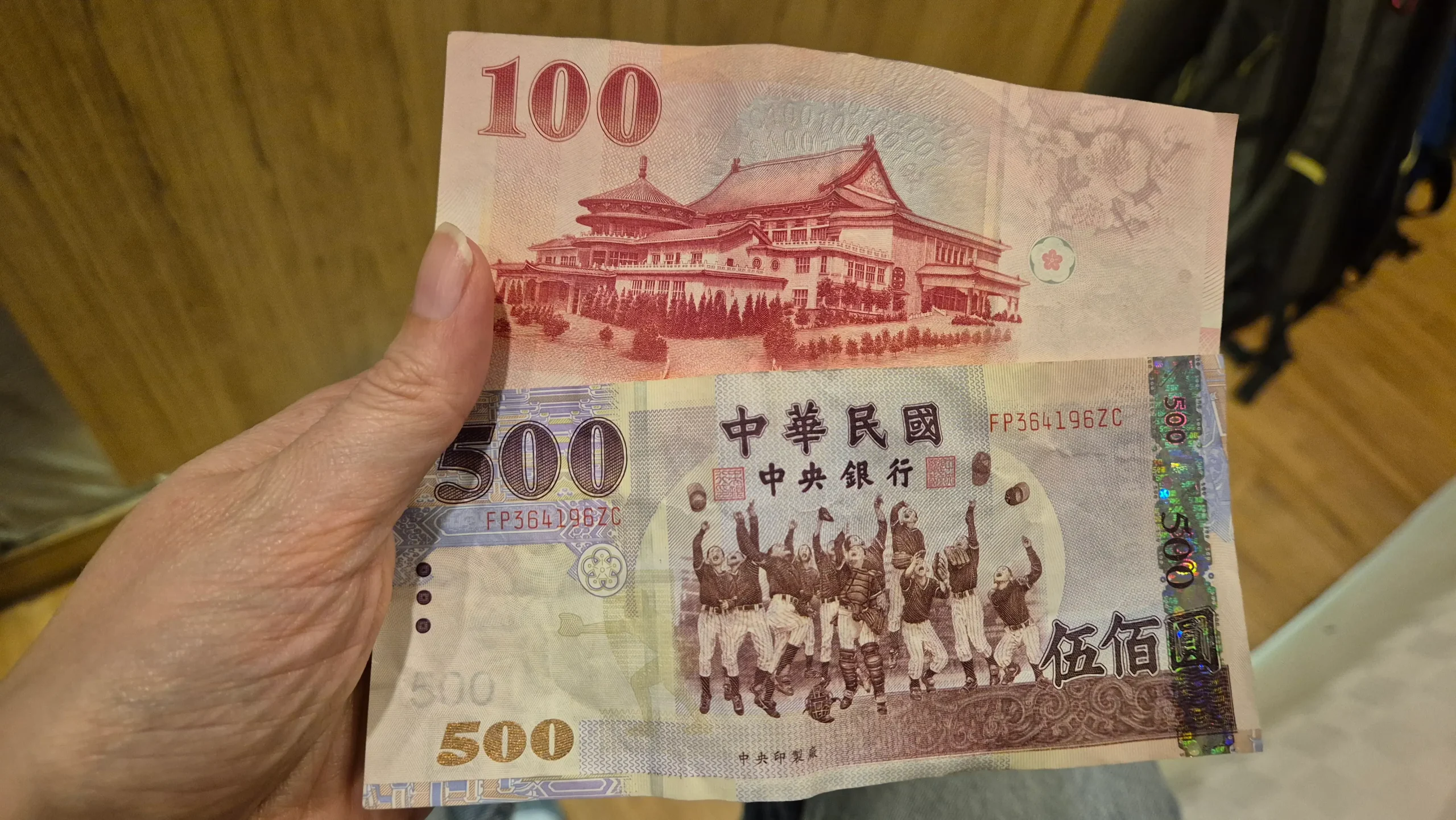
The Taiwan Dollar (NTD) is the local currency. The smallest is a one dollar coin, while the largest is a apparently 2000 NTD note.
5. Best ATM for Cash Withdrawals
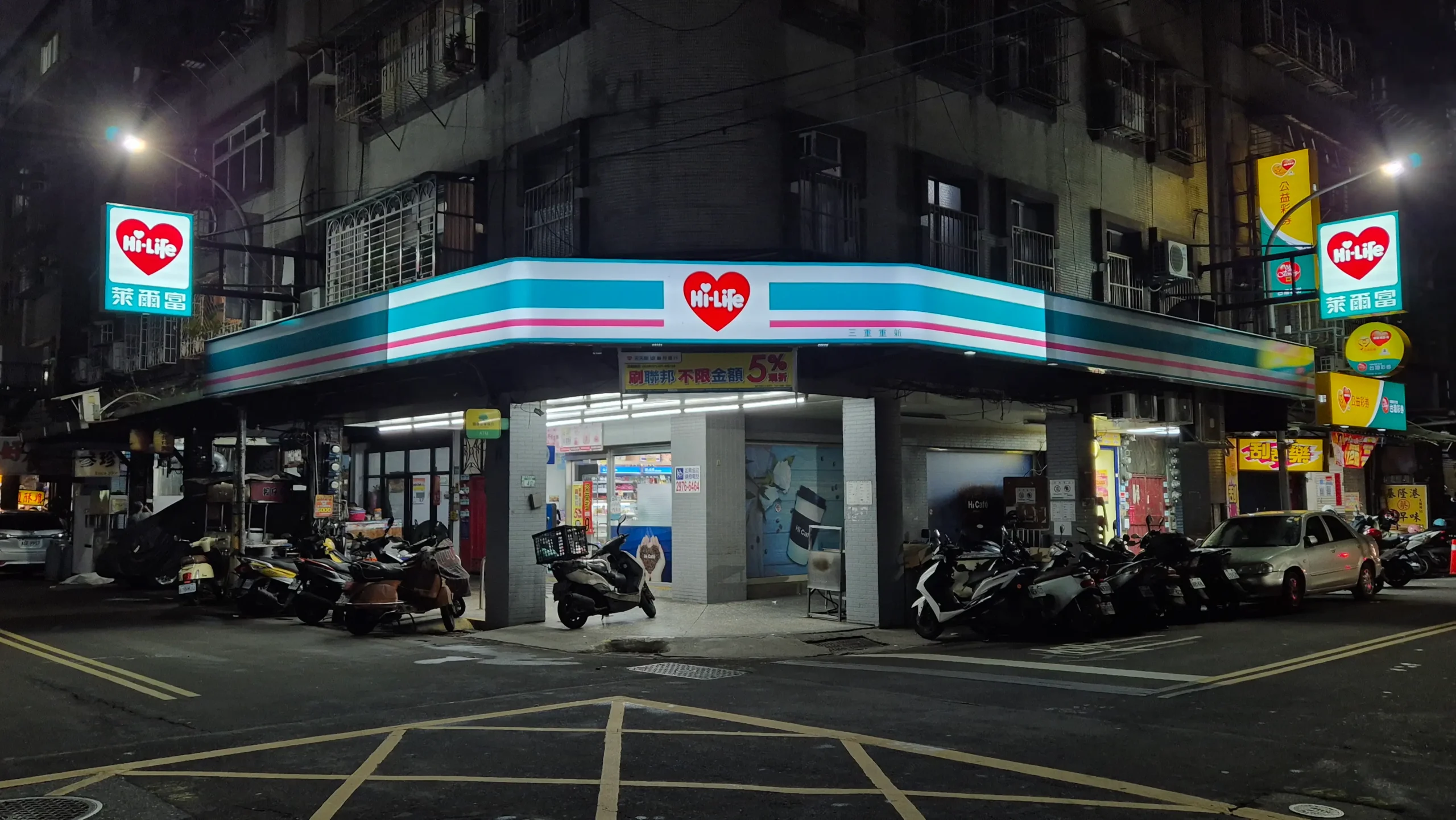
ATMs are readily available all over Taiwan; it’s not too stressful to get cash out. Our go-to was always Cathay United because they didn’t charge withdrawal fees. They very often have stand-alone banks in the cities, but they also often have ATMs in the convenience stores (7Eleven, Family Mart, Hi-Life).
6. Earthquakes are Common
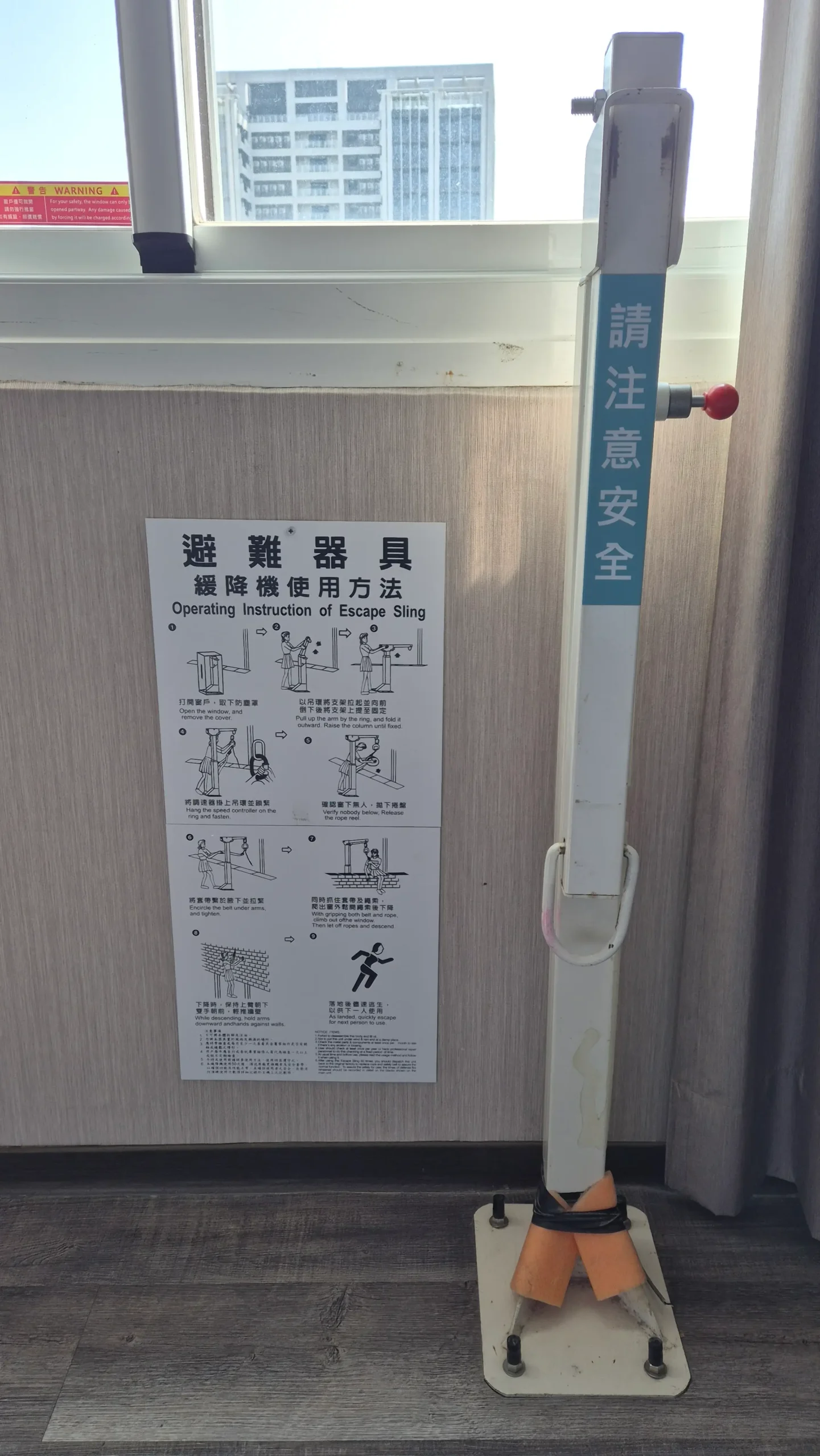
Earthquakes are common in Taiwan but they are very well-prepared for them. Our first visit to Taiwan was two weeks after the Feb 2023 earthquake that shook Hualien, the east coast, and destroyed parts of Taroko Gorge. We felt aftershocks consistently for days (yes, I’m talking about every few minutes!), but the local Taiwanese did not seem fazed by it at all. On the ground, you wouldn’t have felt the movement, on the tenth floor of a block of flats, you can very much feel it.
If you are near the epicentre, your phone will likely sound an alarm. We did have a local SIM as well which meant we received an SMS alert too. Check that your phone has earthquake alert settings enabled. The hotel shook for about twenty seconds, and then everyone went back to sleep and didn’t even bother mentioning it in the morning. It’s that normal!
Having experienced many earthquakes in Taiwan now, I get it!
We used this recent earthquake report to get a general idea of how things were going.
7. Local Language
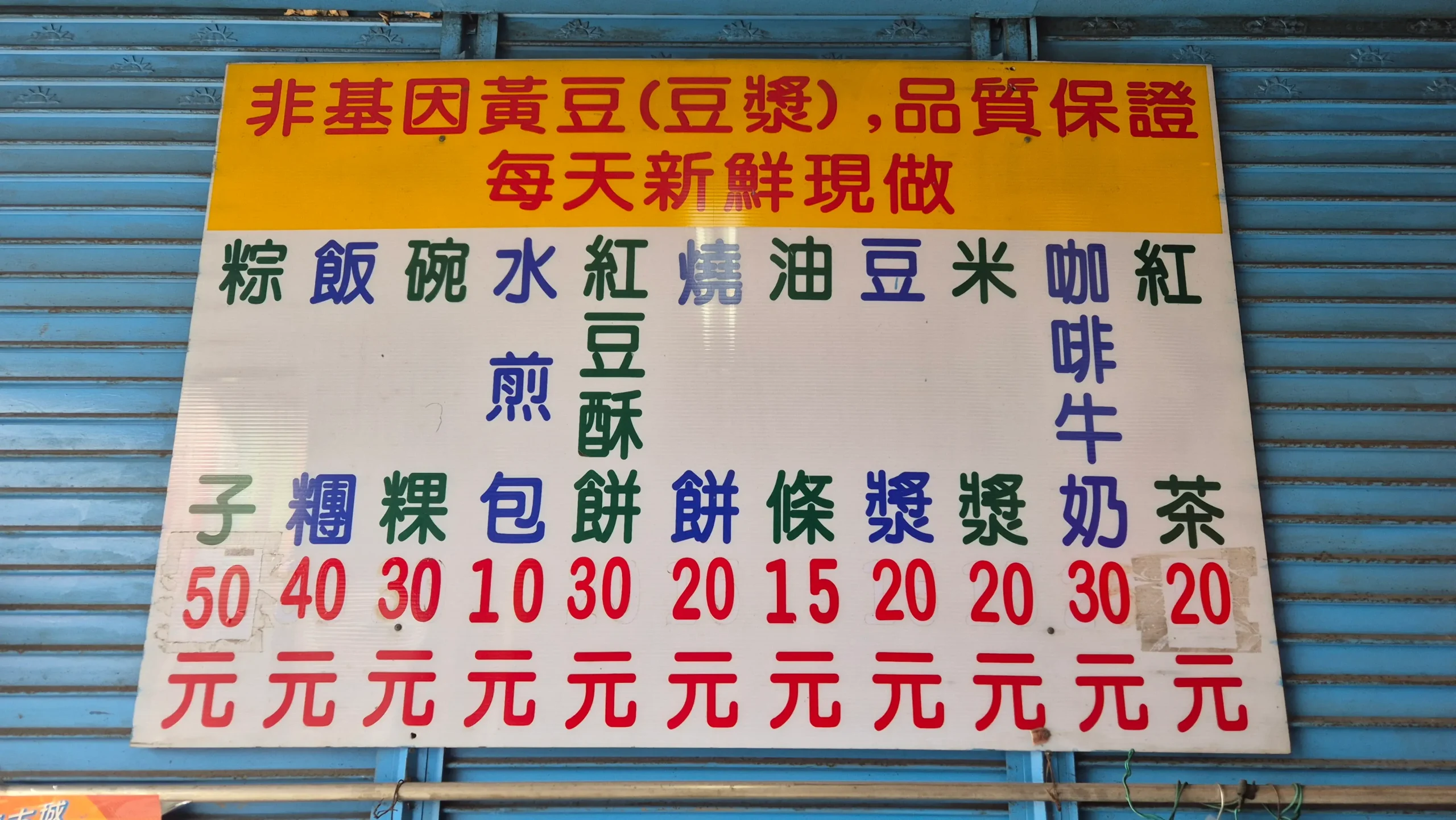
Probably the most challenging part about travelling around Taiwan is the language. The spoken language is Chinese Mandarin, but you will find some English on signs depending on how touristy a location is. The places with the least English language that we found were often the local breakfast joints, so just make sure you’ve got some data and a translation app.
When speaking to locals, it was probably 50/50 as to whether spoken English would be understood. So make sure you learn a wee bit of Chinese before you head to Taiwan! These ones always come in handy:
8. There are No Bins Anywhere
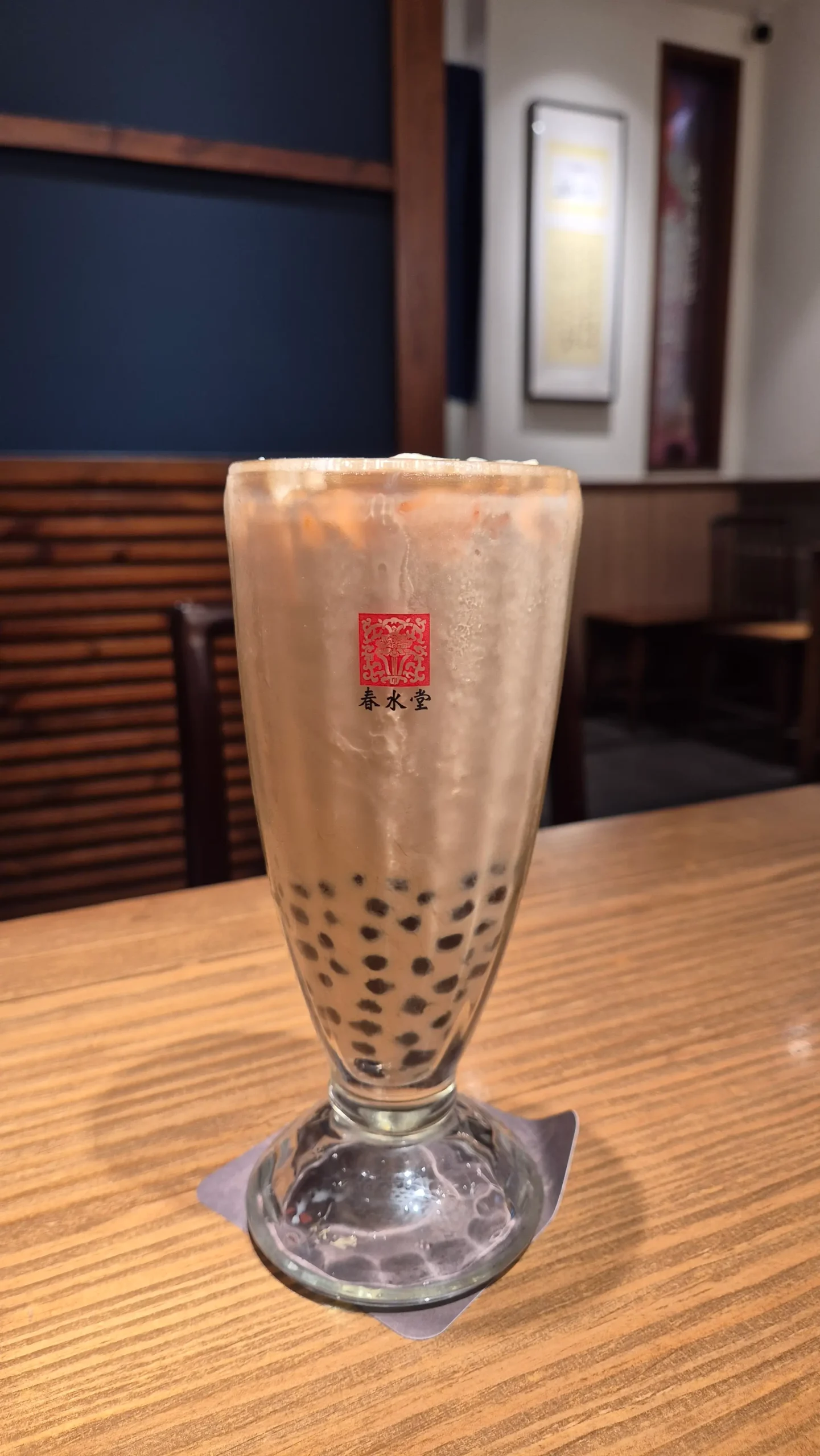
But surprisingly, Taiwan is dead clean even without them. It does mean, however, that you’ll be carrying that boba cup round with you all day! Top tip: if you are near a metro station, pop down there and you’ll likely find a bin because you can’t talk food or drink on the metro.
Instead of physical bins on the streets, there are bin trucks that drive around and play a song like an ice cream truck or the bread van in Sri Lanka (if you know, you know!). People hear the bin truck and then head down to the side of the road to chuck their rubbish in it.
9. Typhoon Seasons
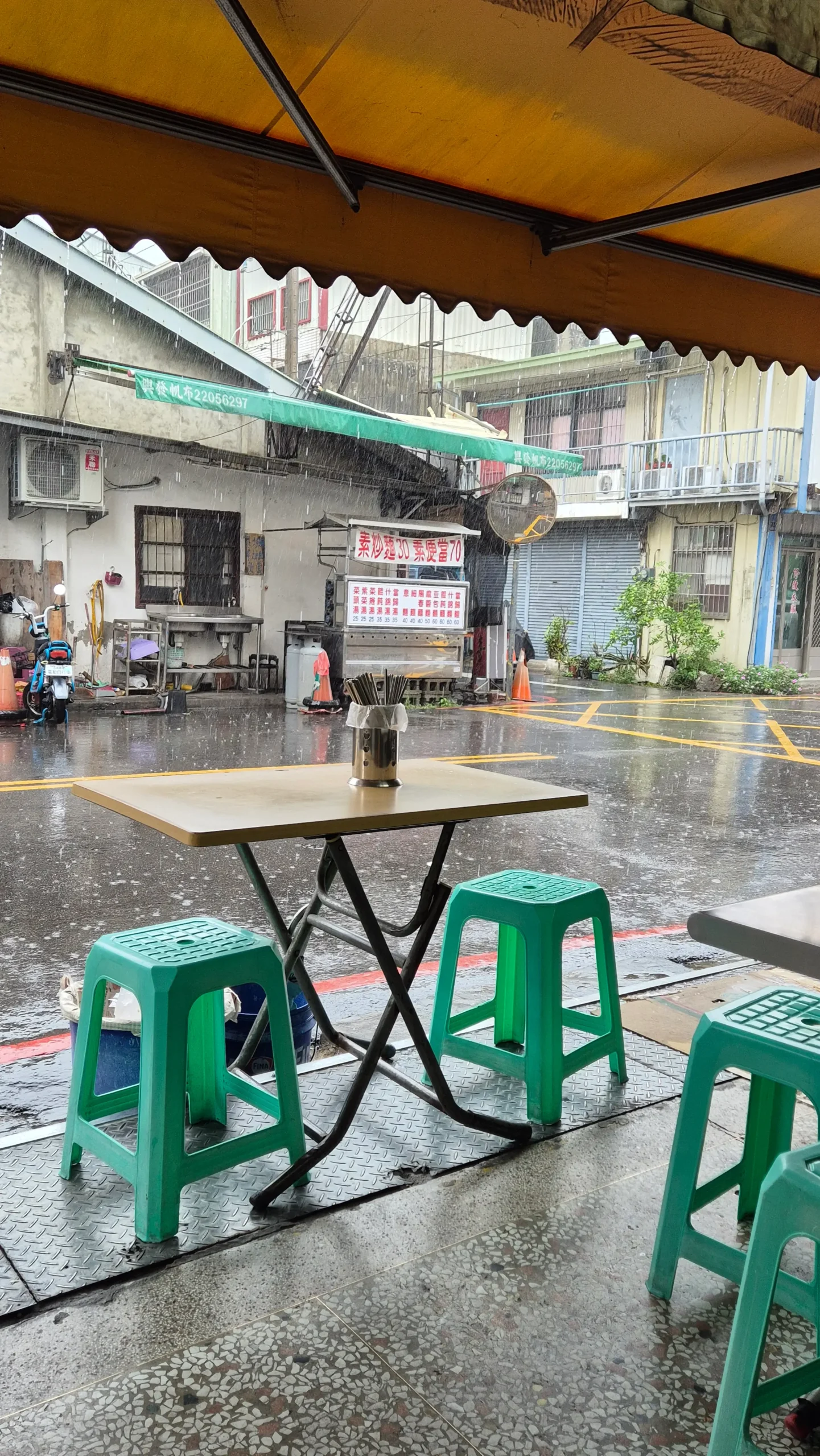
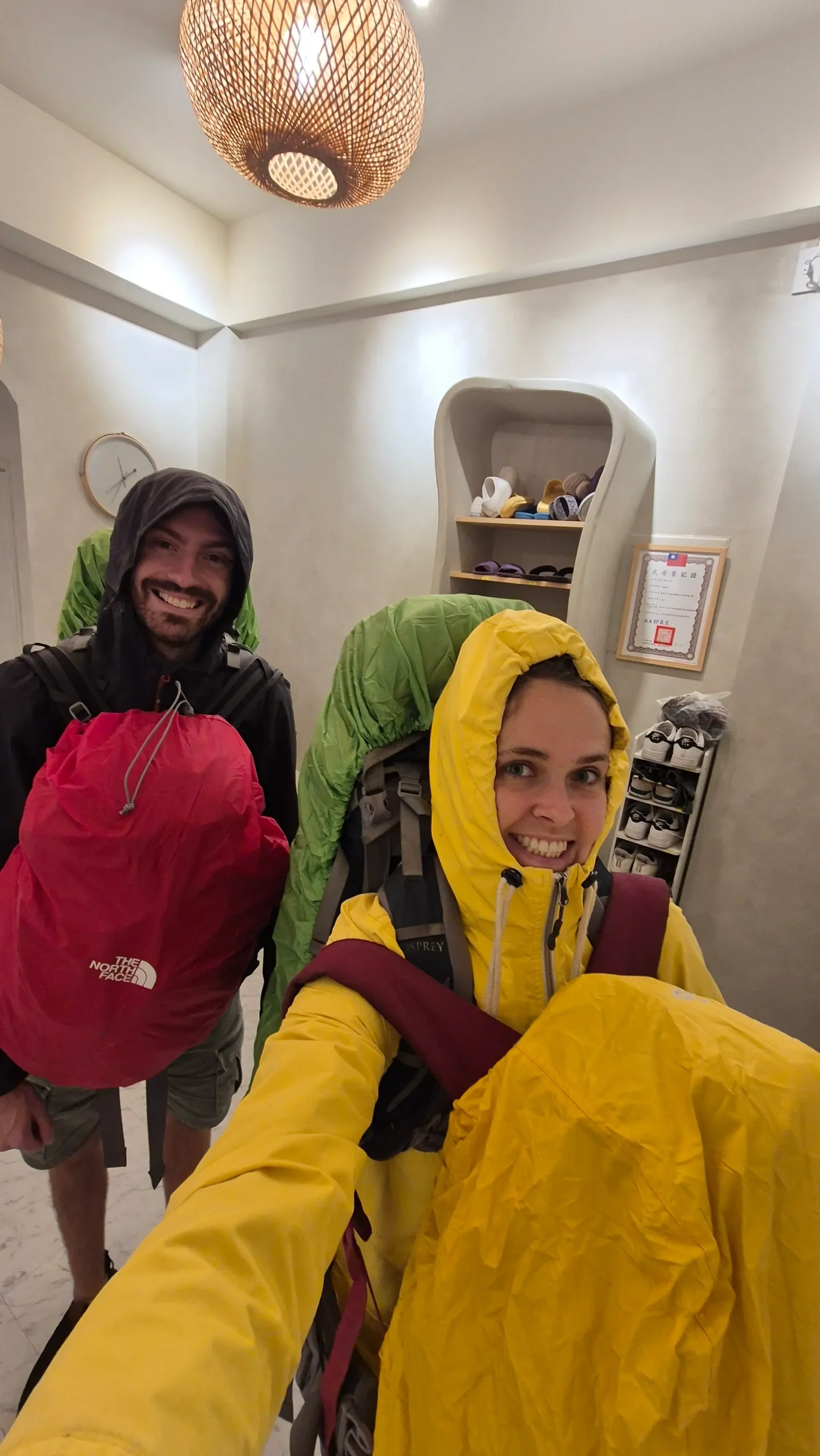
Monsoon season tends to hit between July and October/November, with heavier rains (referred to as the plum rains) during May/June time as well. We’ve visited Taiwan during January, February and April, and had a great time. There were some sporadic downpours but that’s to be expected in a tropical climate! Make sure you pack a raincoat regardless of the season.
10. Taiwan Has Amazing Vegetarian Food!
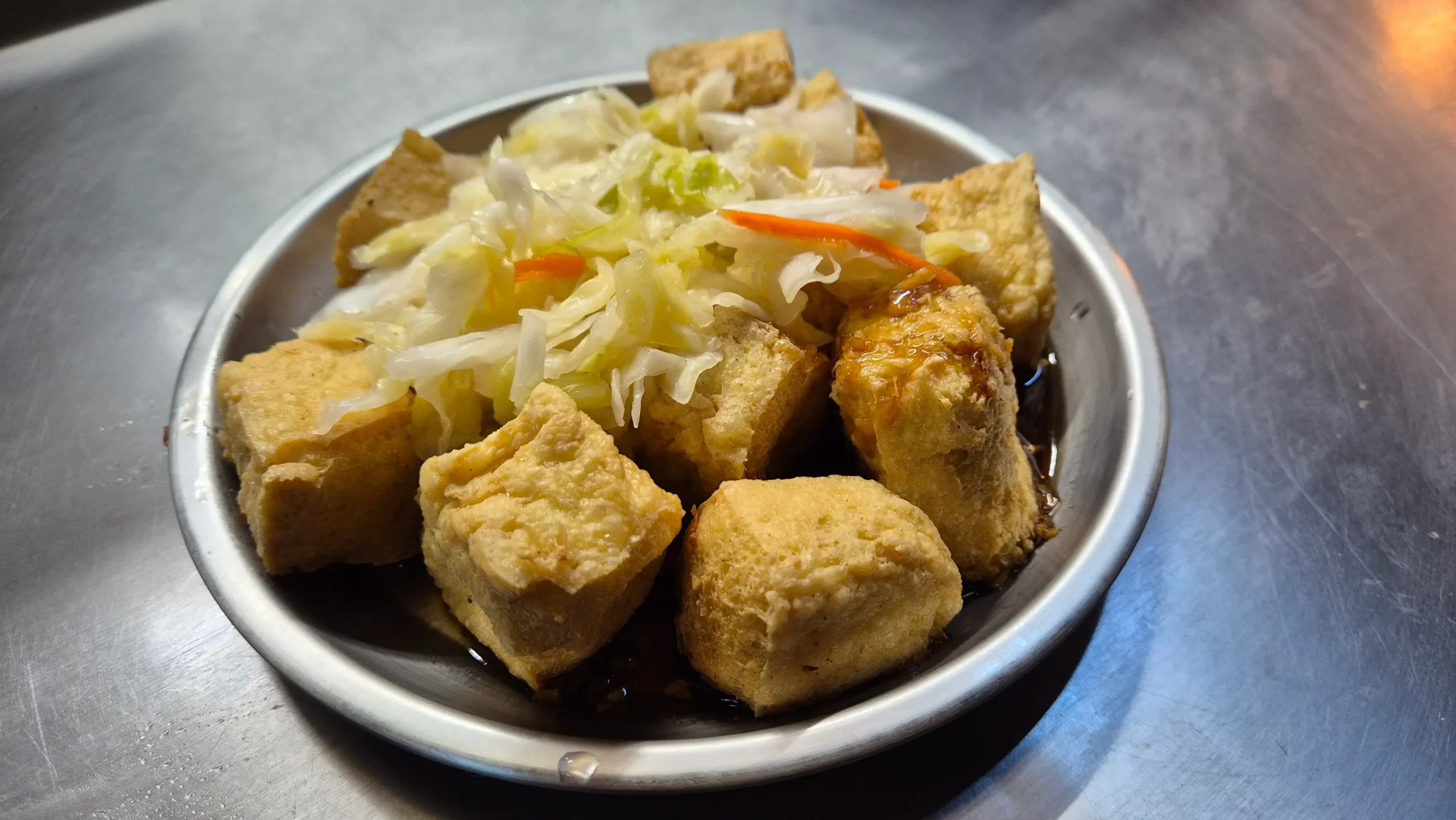
It really surprised us how readily available vegetarian food is in Taiwan, like, all over Taiwan! The cities all have several vegetarian/vegan specific restaurants, and there are many naturally vegetarian-friendly dishes in the local cuisine. Breakfast culture is some of the very best we have EVER experienced; if you’re a foodie, going out for a proper local breakfast each morning is a must!
You’ll find dumplings, sesame noodles, stinky tofu, sweet potato everything, mushrooms, tofu puddings, shaved ice puddings, tea eggs, rice balls, bao buns, punchy chilli, fresh garlic, soy sauces. It’s all delicious, heavy on the salt and carbs, but SO so delicious!
11. Lunar New Year Is a Challenging Time to Travel
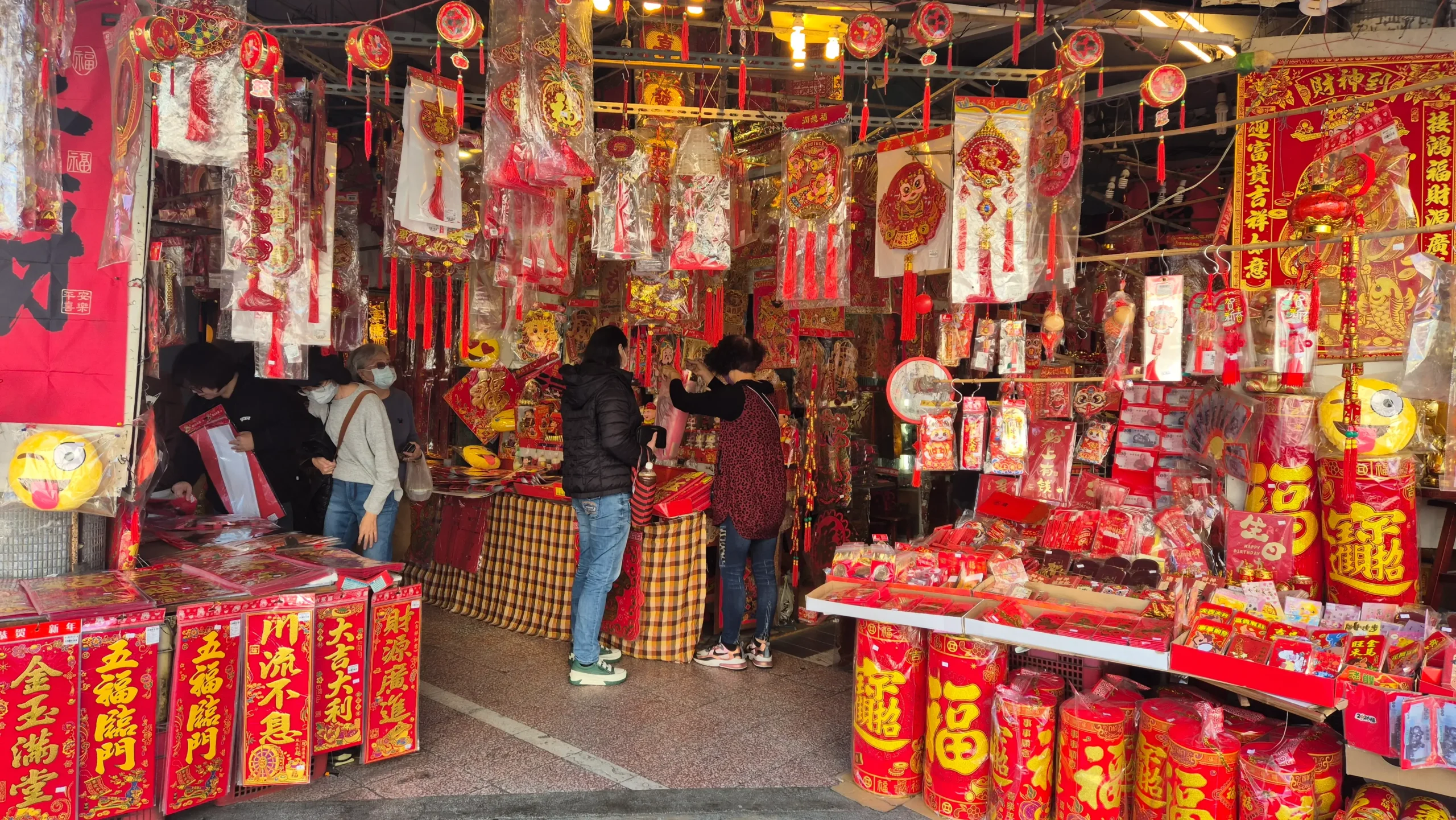
New Year in Taiwan usually falls between end of Jan and end of Feb each year, and travel can become a bit complicated. Restaurants and shops can shut, accommodation can get really expensive and booked out quickly, major cities become ghost towns as everyone travels to the countryside, and tourist attractions become crazy busy.
But, it’s also a fascinating time of year to visit because of all the markets, decorations, celebrations, and overall festive feeling. If you are planning a visit over the new year period, I’d definitely recommend booking your accommodation, trains, general plans in advance.
12. Taipei Accommodation is VERY small & pretty pricey
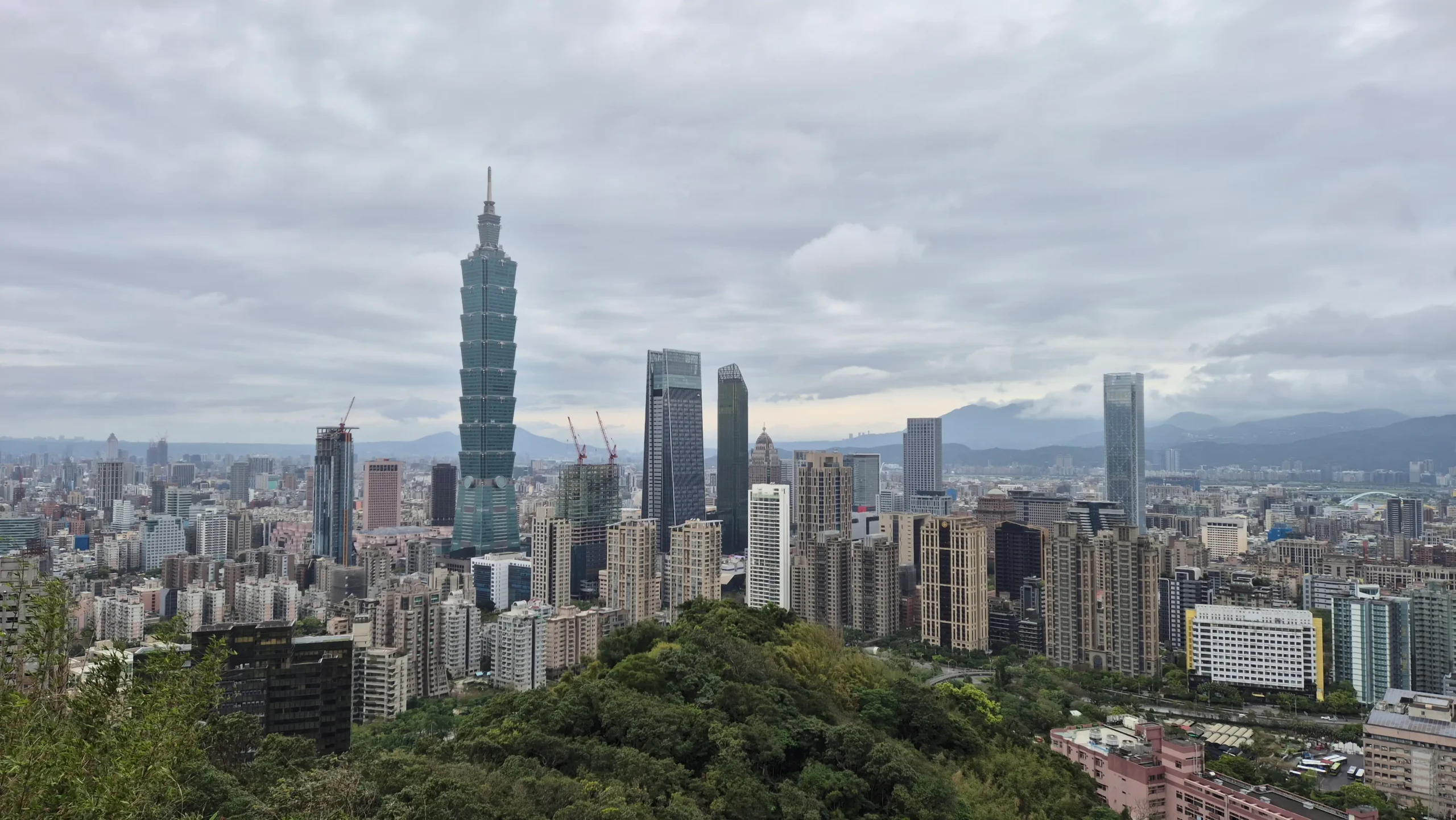
Particularly in Taipei, hotel rooms are very small and also pretty expensive. The vast majority of rooms are in high-rise buildings. And our top tip is to make sure you triple check that your room has a window. In our opinion, there is little worse than an already small room having no window. Like, it just makes it all feel a little claustrophobic. Some listings have it already mentioned in the title of the room, but others might not, so do some digging before you just decide that the photos look nice.
Also, the prices of accommodation in Taipei skyrocket over the weekend, so bear that in mind.
13. Getting a Local SIM Card
A local physical SIM card with a local phone number isn’t necessarily the best way to do it in Taiwan. And we are BIG advocates for getting physical SIMs instead of ESIMs in almost every country we visit apart from here and India.
A local SIM that comes with local phone number and some data for 30 days will set you back about £30, while an ESIM without phone number but with more data can cost as little as £5. So, it depends how essential the phone number is to you. Food delivery apps, LinePay, taxi apps, etc. may require a Taiwanese number, but you can easily eat out, use cash, and take the metro instead.
If you’re looking for a SIM with a local number, take a look at this package: SIM Calls/Data.
If you’re only looking for data, this one is better for you: ESIM Data Only.
14. Food Delivery Apps
Uber Eats and Food Panda will be your go-to apps.
15. Taxi Apps
Uber and LineGo are the most common taxi apps in Taiwan, but in the three months that we travelled around the country, we never actually had to use it. The local transport is so efficient and easy to navigate that we just stuck with buses and metro!
16. Trip Highlights
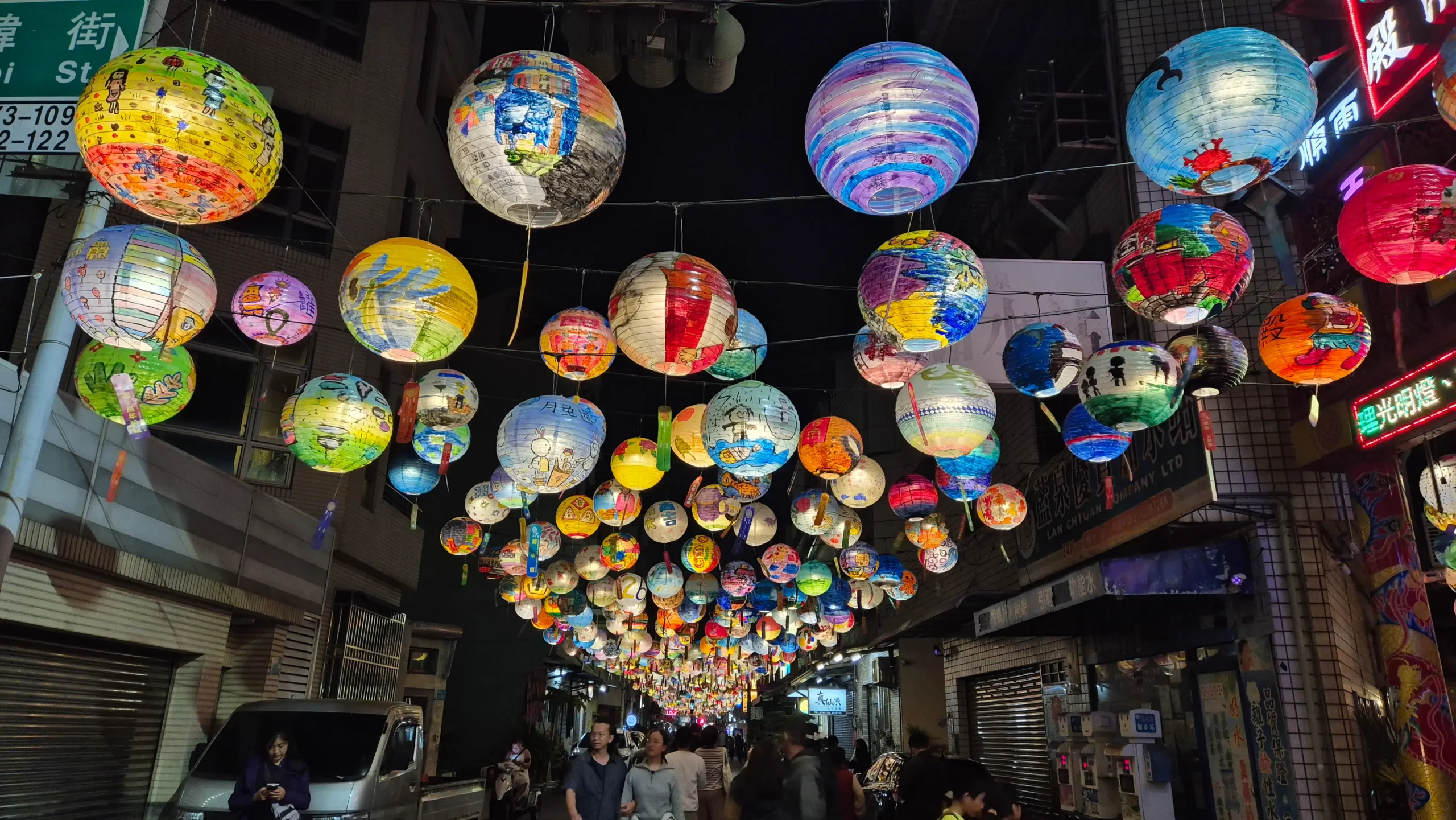
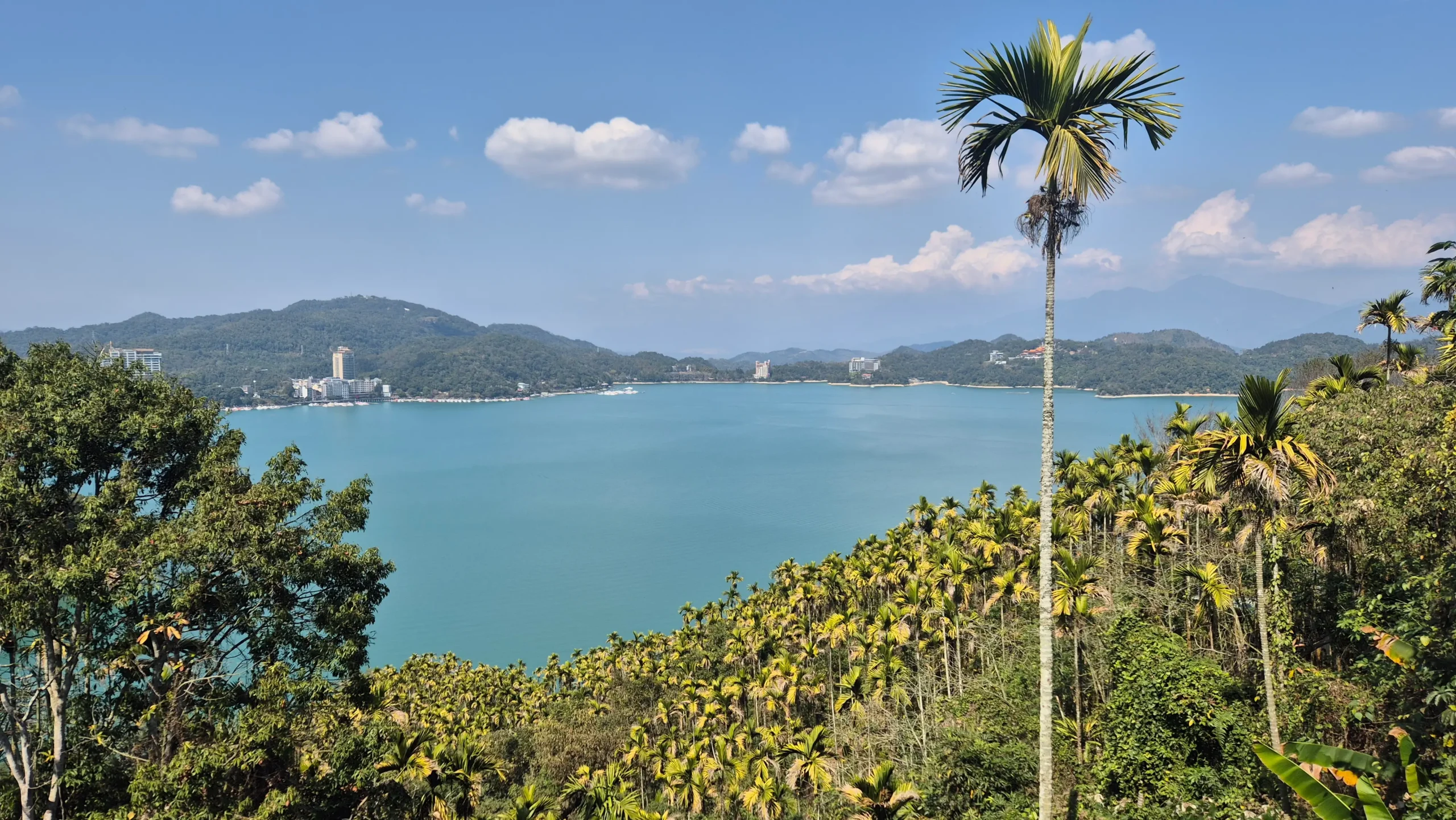
We LOVE Taipei, but if you just stay in the capital city, you’re missing out on a lot! Make sure you add these to your Taiwan itinerary:
Found this post helpful?
We’d really appreciate your support by buying us a coffee. It’ll help us to keep creating free food & travel guides for your next adventure.
It would make our day! And we really do love a good coffee 😉